Comfort doesn’t have to sacrifice beauty, and vice versa.
Minimalist homes with highlighted design accents may look less aesthetic when there are air conditioners attached to the wall. Hiding the air conditioner becomes an art of its own especially when the house occupants want cool air to flow evenly throughout the room, without too many air conditioning placements.
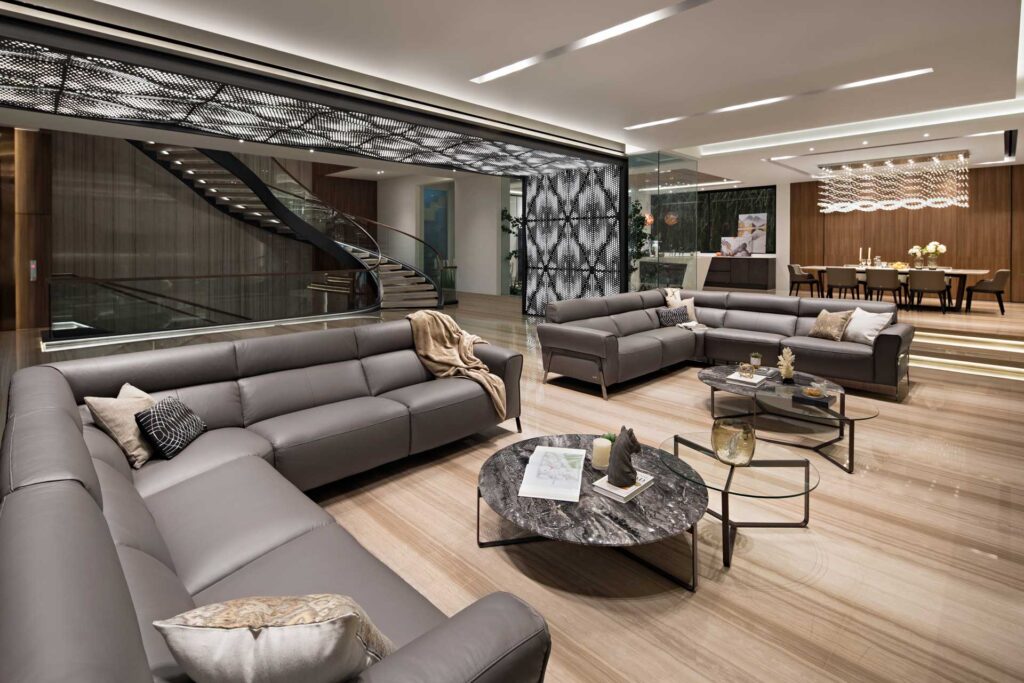
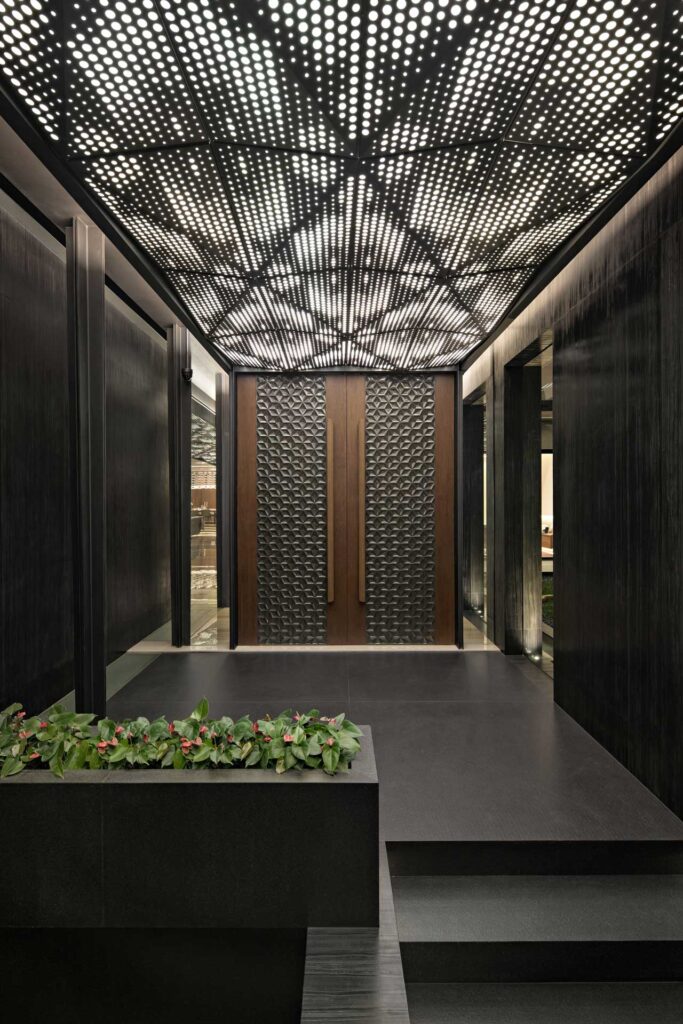
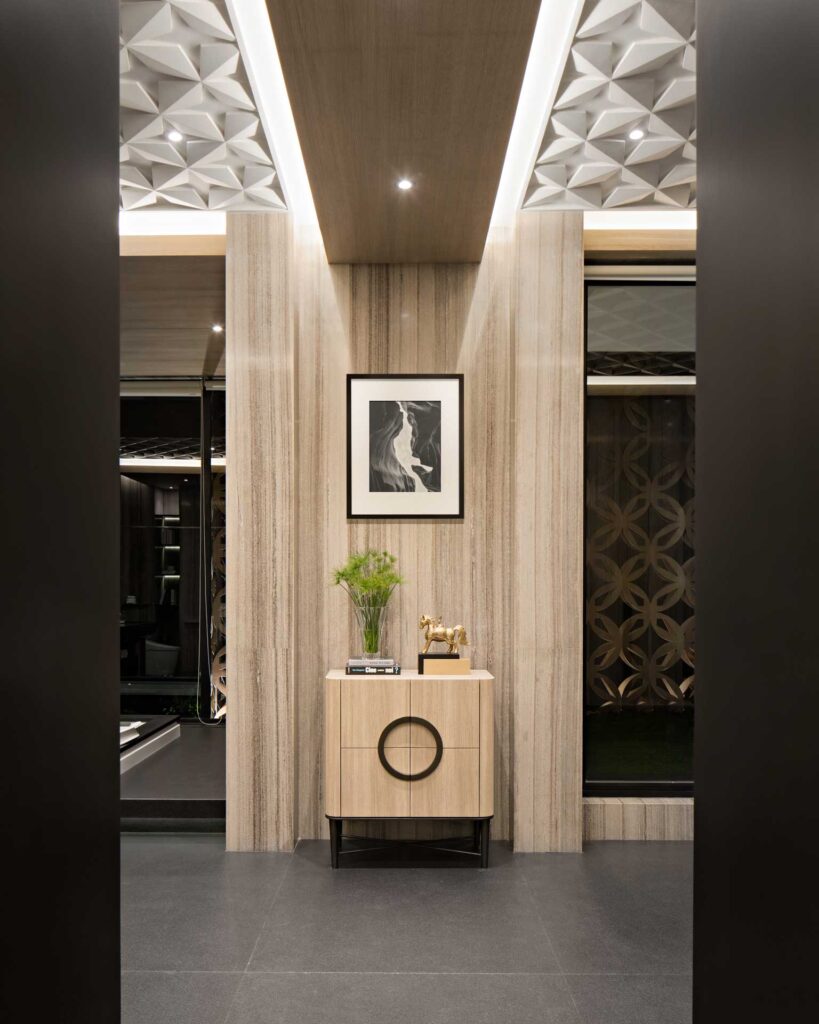
The grand kawung flower-patterned facade is made flowing into the house. Ceilings decorated with ethnic patterns stretched along the main corridor leading into the living room. Behind the 10-meter-long pattern, cool air flows throughout the room. As
imagined, the air conditioning unit hides perfectly behind the
beautiful ethnic patterns on the ceiling. The workmanship of patterned steel plate with laser cutter technique is done specifically, so that it can be dismantled and installed again,
especially for a periodical conditioning treatment.
Not only an airflow pipe there, but the electricity for the lamps is also intertwined inside. To maintain airflow without lessening the aesthetic elements, it needs to be hidden but still produce cool air throughout the room. The rotation of the airflow is arranged in such a way that it does not directly lead to the head. Ensure cold air is always there, without the house occupants needing to know where it blows from.